


I consider myself a hobby photographer, not a professional photographer. This tutorial is for beginners, sharing what has worked for me.
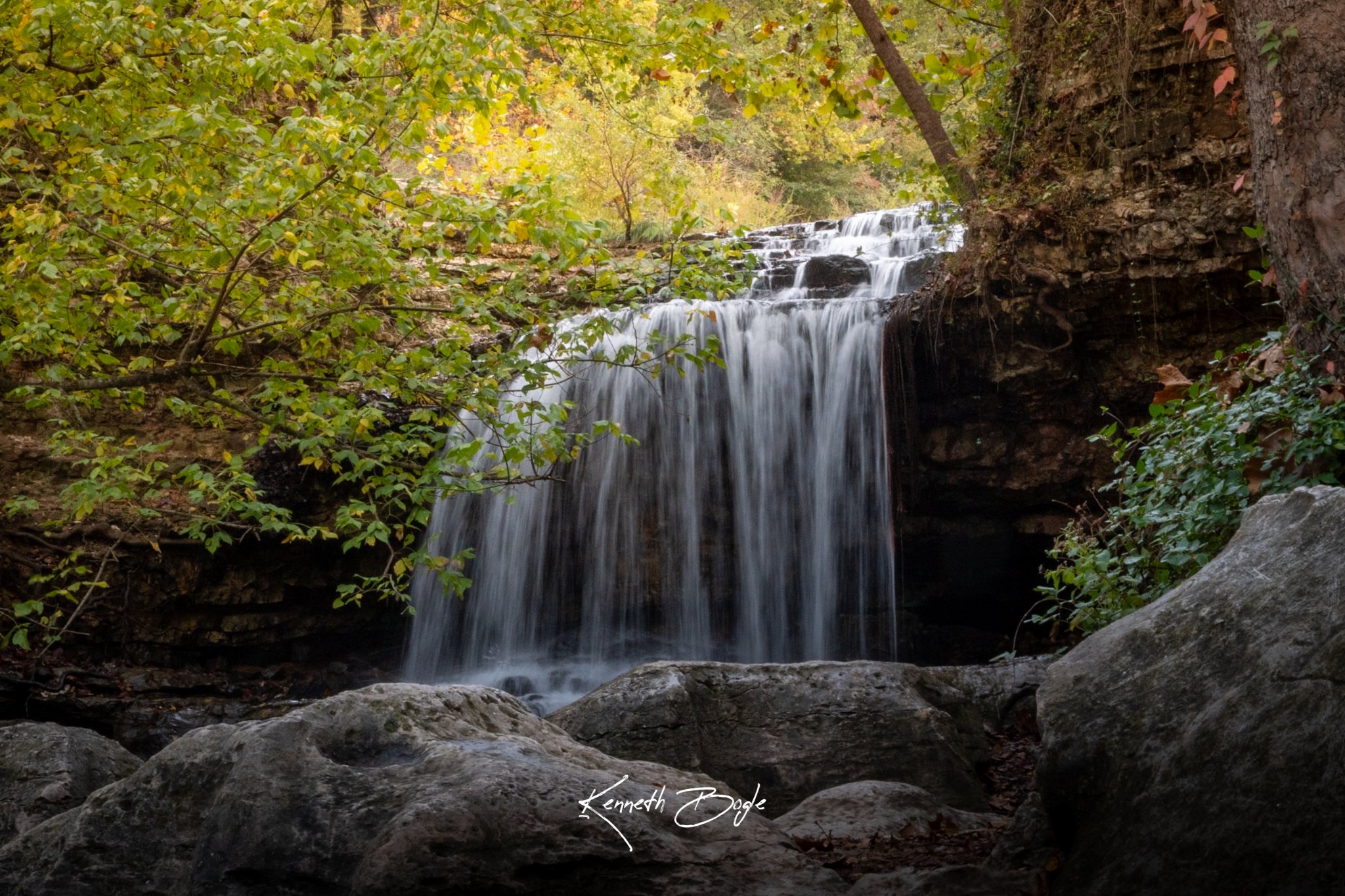
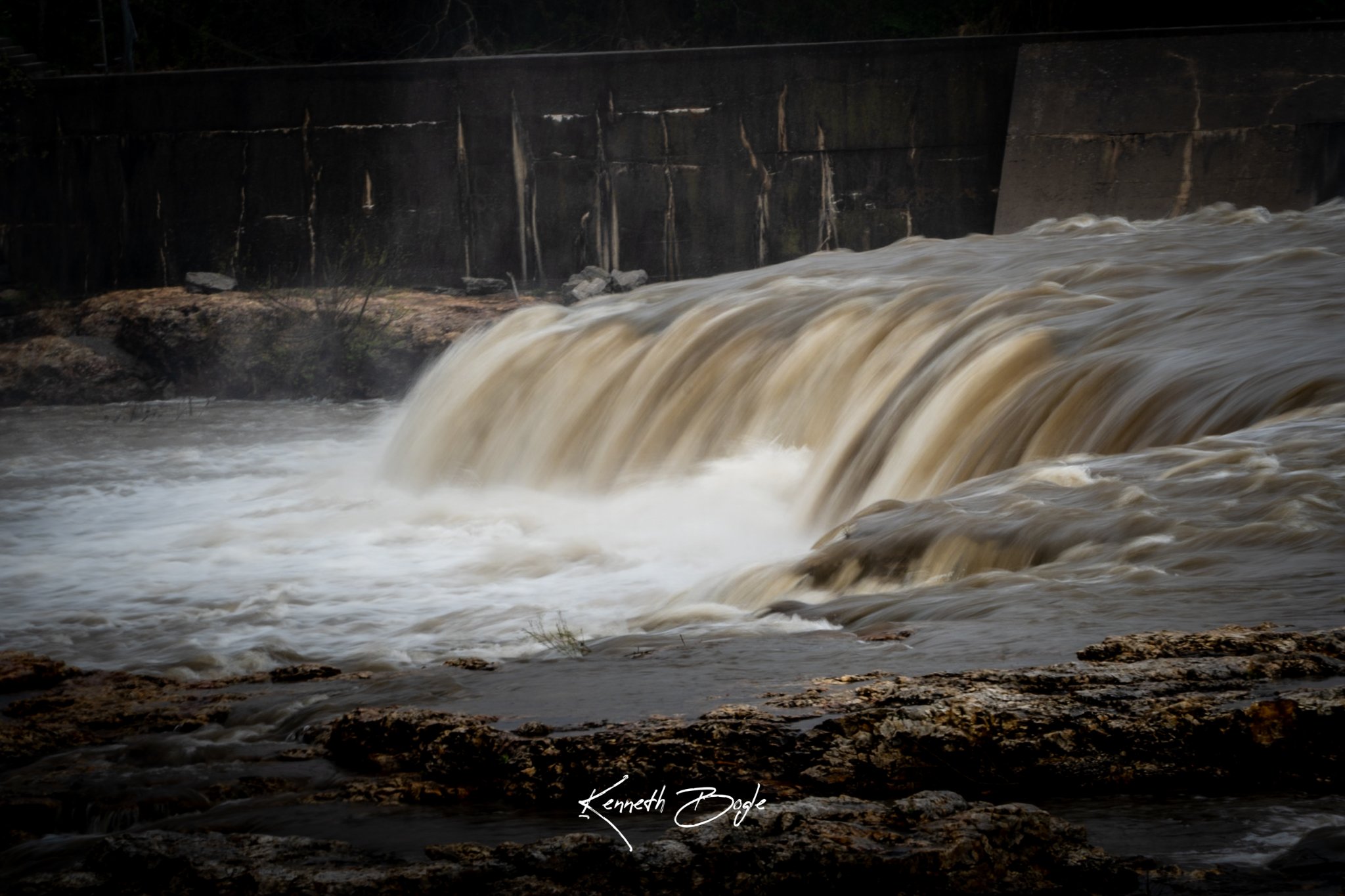
Those smooth, silky waterfall photos you see online are easier to take than they look. You do not need fancy gear or years of experience. You need a tripod, a little patience, and the right settings. Here is exactly how I do it.
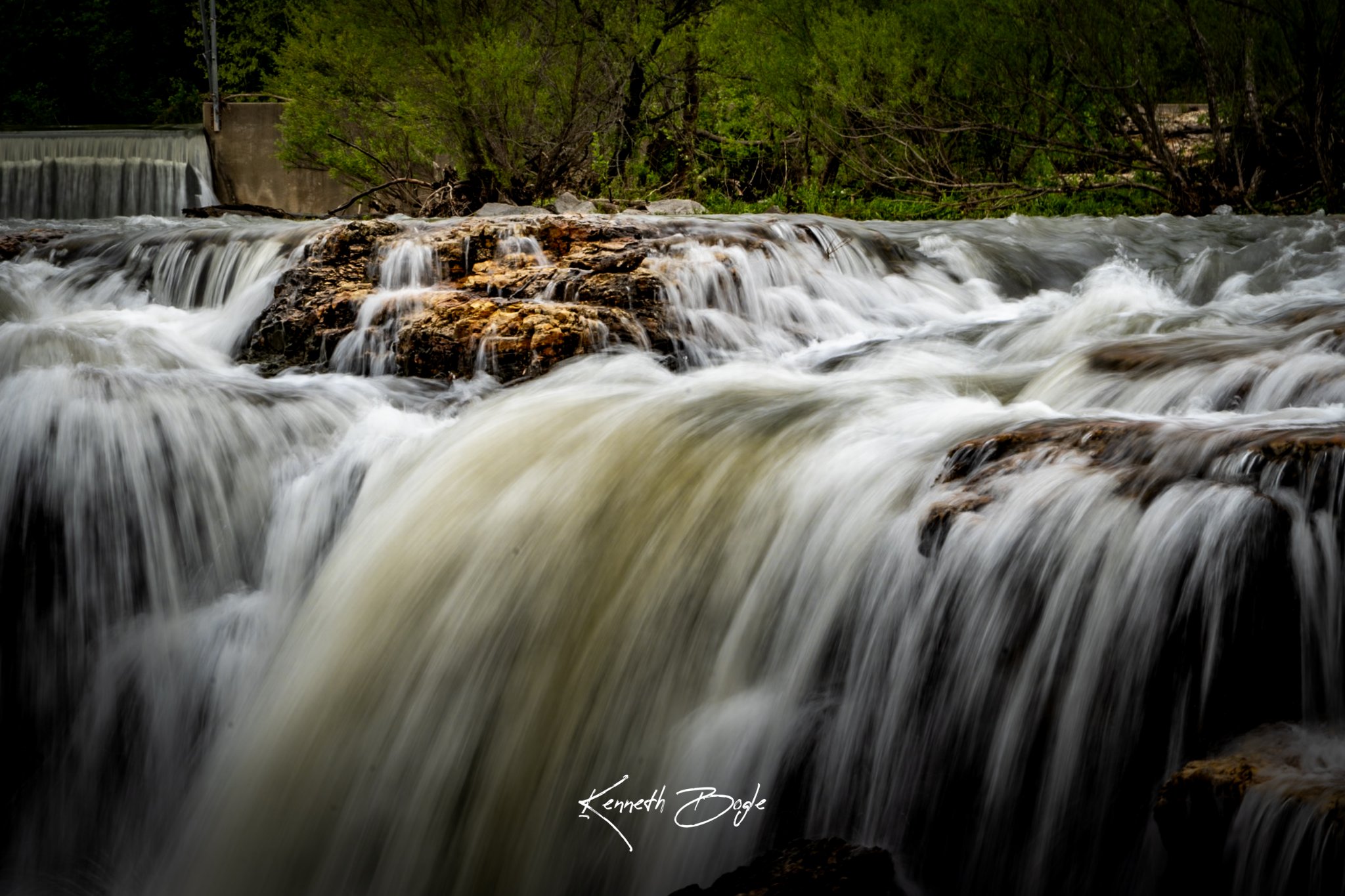
What you need
A sturdy tripod. This is the one piece of gear you cannot skip. Your camera has to stay perfectly still while the shutter is open.
If you are just starting out, here is a starter tripod to look at. With a newer camera with built in stabilization, you do not always need a tripod. Some of my favorite long exposure photos are without a tripod. You just cannot get the exposure too long. The longest I go when free handing a shot is 1/8 sec. Anything longer, I use a tripod.
A remote shutter release, or use your camera’s 2 second self timer. Pressing the shutter button with your finger will shake the camera just enough to soften the shot.
A neutral density filter for shooting in daylight. This dark piece of glass cuts the light reaching the sensor so you can use a long shutter speed without overexposing the photo.

Make sure you get one that fits your lens. Check your lens filter size before you order, so the filter threads on to your lens.
A polarizer to cut glare on the water and wet rock. It also deepens the colors in the scene.
Your widest lens for the full scene, from foreground to falls. If you own a telephoto, bring it too. It is perfect for pulling in a detail like a single cascade or a swirl in the stream.
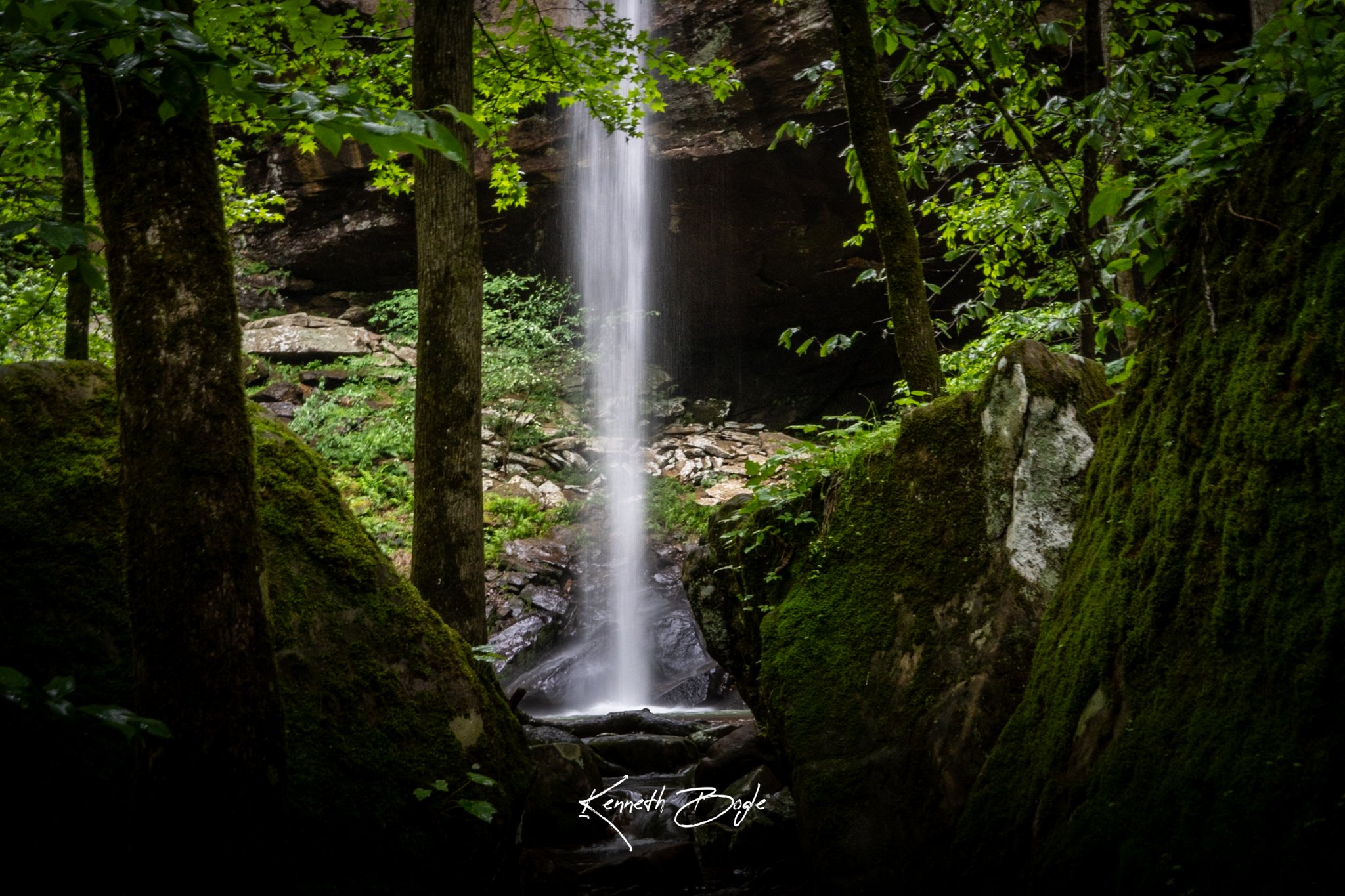
Camera settings
Switch to Manual mode. Set ISO to 100 for the cleanest image. Set the aperture between f8 and f11, where most lenses are sharpest and the depth of field covers the whole scene. Start with a shutter speed of 1 second. Turn SteadyShot off when the camera is on a tripod, because it can add blur instead of removing it. Focus on the falls, then switch to manual focus so the camera does not hunt between shots. Shoot RAW if your camera offers it, so you have room to adjust exposure later.
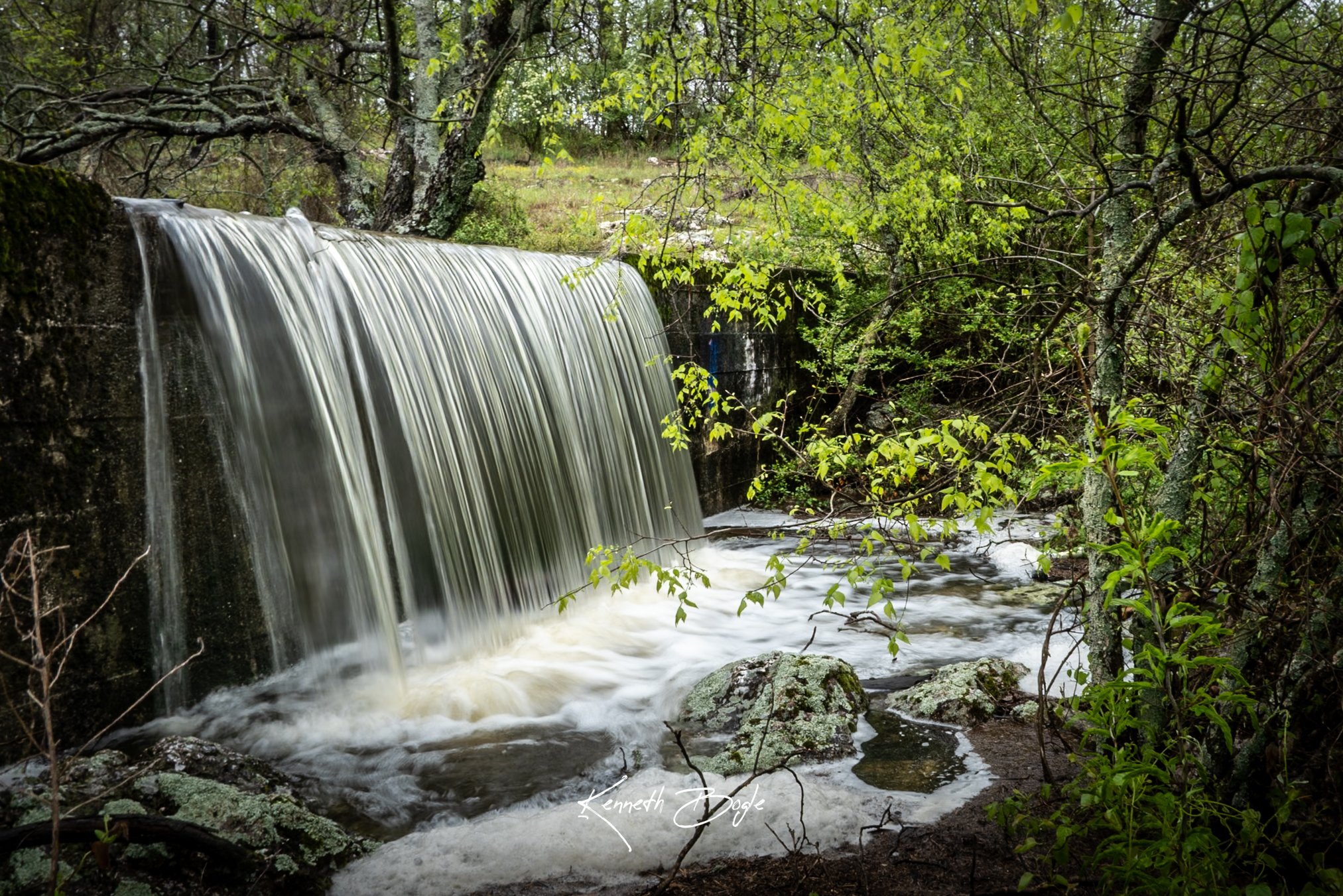
How to take the shot
Plant your tripod on steady ground. Check your footing before you lean in. Wet rock is slippery, so move slowly and keep your balance. Compose the shot with a foreground rock or the curve of the stream leading into the falls. Take a test shot at 1 second and check the histogram on your camera screen. If the exposure is off, adjust the filter, aperture, shutter speed, or ISO as needed. Then shoot a series at 0.5, 1, 2, and 5 seconds so you can compare the water texture later and pick your favorite.
How long is long enough
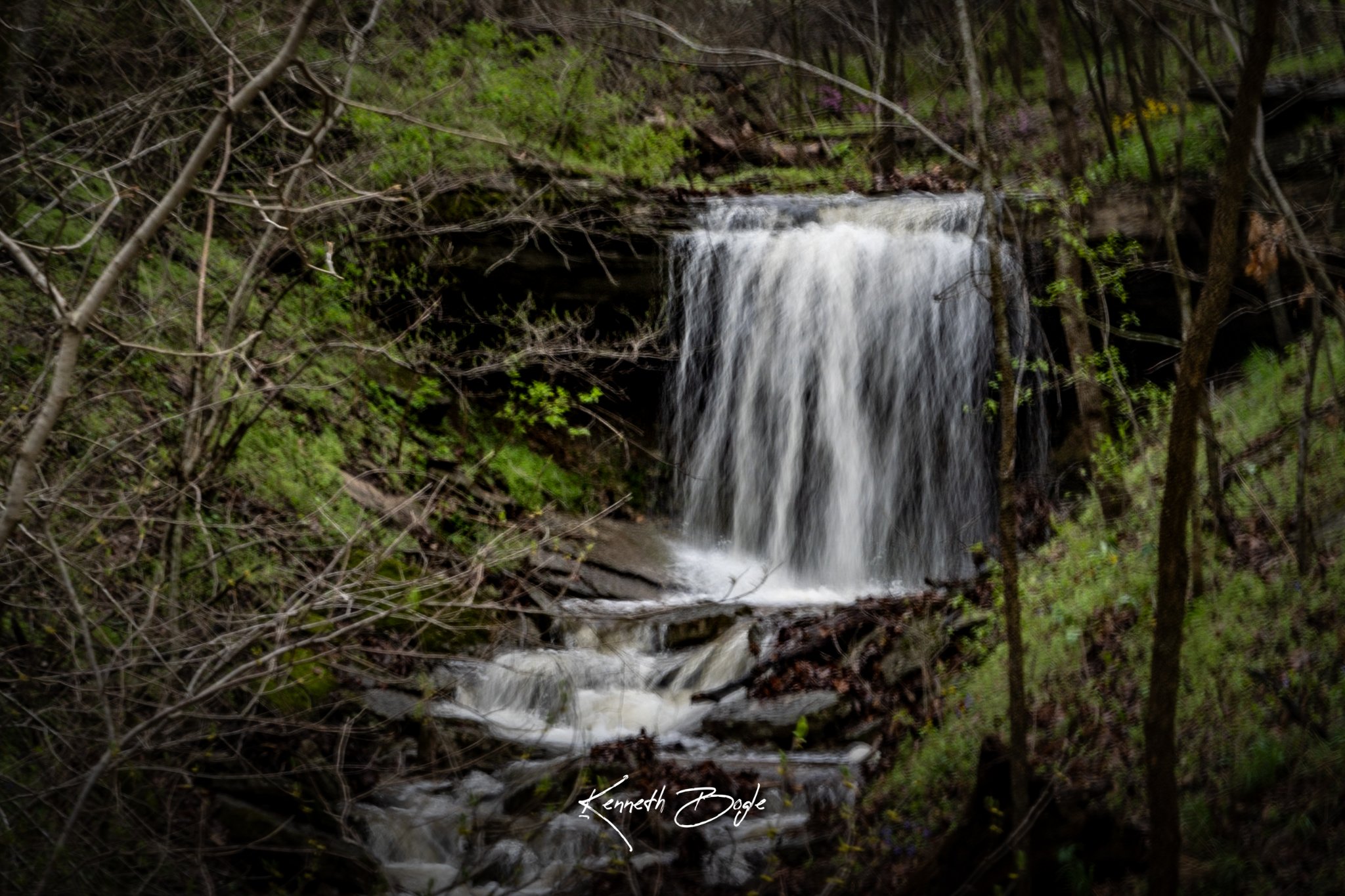
Fast moving falls look best around 0.5 to 2 seconds. Slower falls need more time, often 5 seconds or more. Very long exposures of 20 to 30 seconds can turn the water flat white with no texture left. Start short and work longer until the water looks the way you like.
Common problems
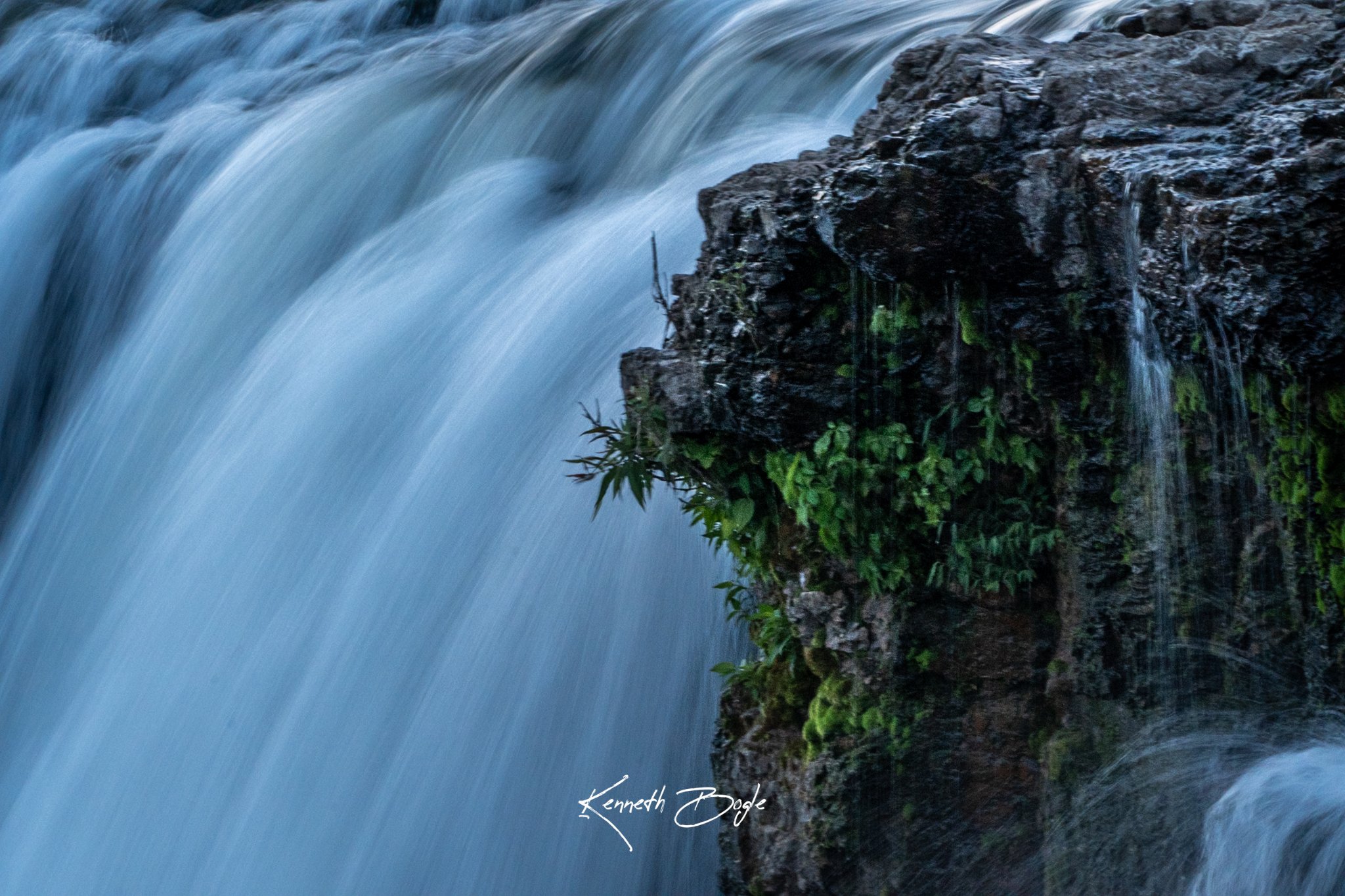
Frozen water with sharp droplets means the shutter was too fast. Pure white water w
ith no detail means the photo is overexposed. A soft photo overall means something moved, usually the tripod settling or the camera shaking. A flat looking photo means the light was too harsh. Try softer light, like early morning or an overcast day.
Try it here
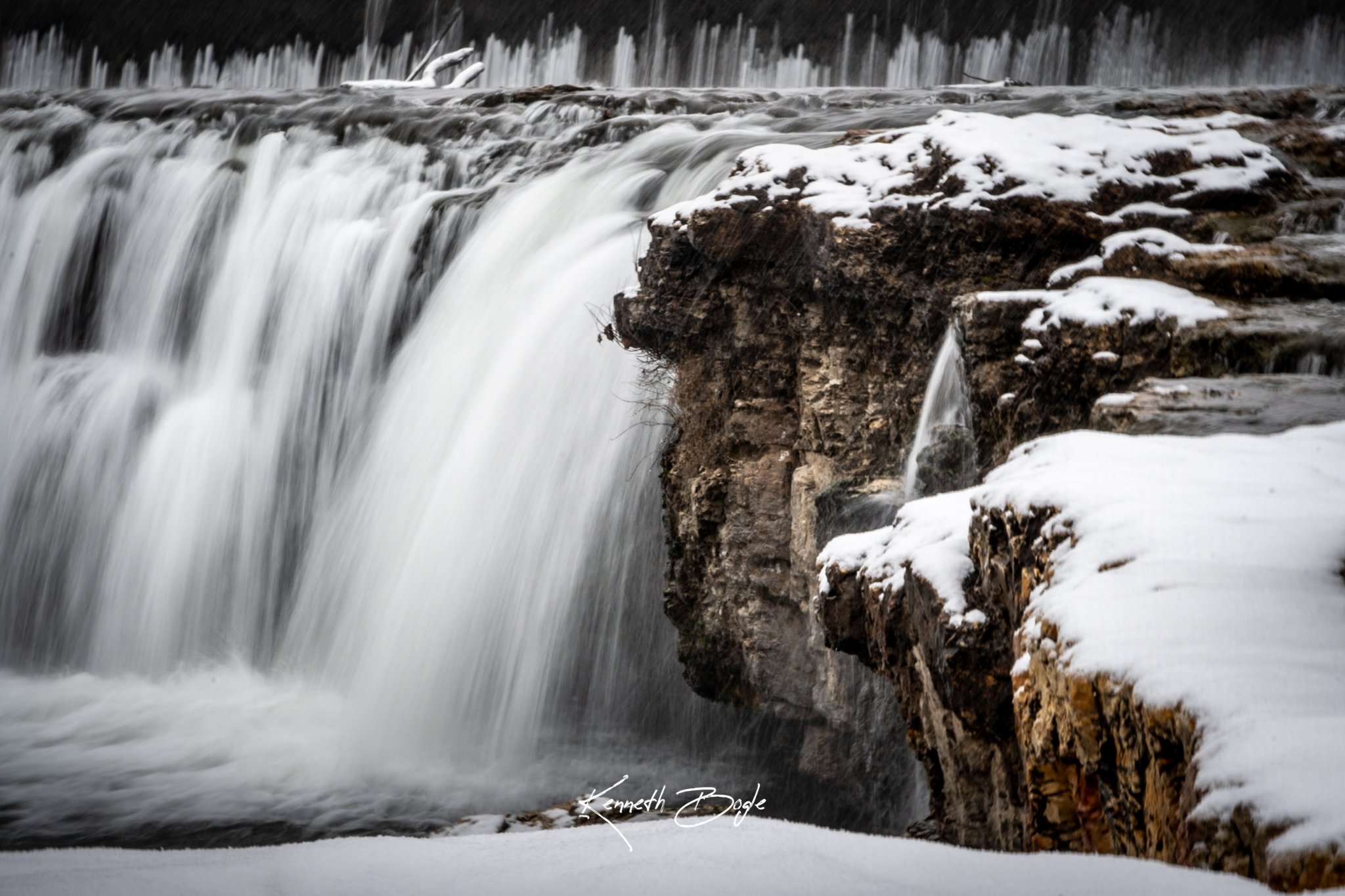
Head to Grand Falls in Joplin or Big Spring Park in Neosho and practice. Both spots give you easy access to moving water, and you can work through every shutter speed in one visit.
Want to go further?
If you want more advanced training, and you are thinking about becoming a professional photographer, check out Four State Photography Enthusiasts. They are a local group created in 2009, they meet on the first Tuesday evening of each month at the Wildcat Glades Educational Cottage in Joplin, and their goal is to learn more about photography and share ideas.
If you want to be a professional photographer, you should join MOPPA. If you are in the Joplin area, Wilson Photography does private lessons.